
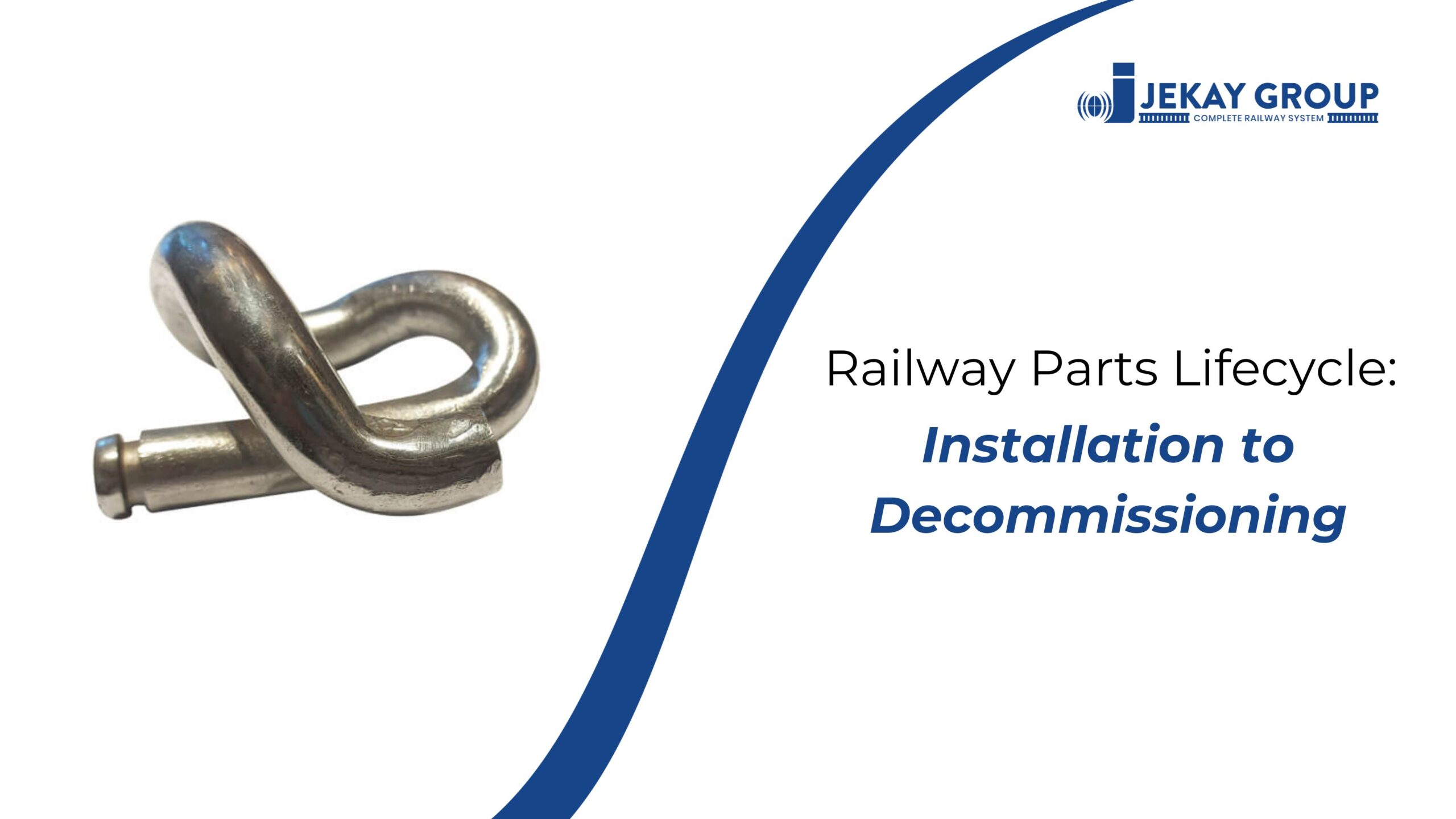
The railway sector forms the backbone of India’s robust transport and logistics ecosystem, moving billions of passengers and untold tons of freight across the length and breadth of the country. At the heart of this sector lies not just tracks and trains, but thousands of individual parts—rails, fasteners, ties, switches, plates, and more—each with a unique story of creation, service, and rejuvenation. Understanding the complete lifecycle of railway parts is crucial for operators, engineers, and procurement specialists who seek maximum longevity, operational efficiency, and cost savings. This comprehensive guide explores every vital phase in the journey: from raw material to manufacturing, transport, installation, and eventual recycling or decommissioning.
Step 1: Raw Material Sourcing – The Foundation of Longevity
Every high-quality railway part starts with superior raw materials. Indian rail part manufacturers depend on advanced metallurgy and rigorous sourcing to ensure each component resists India’s harshest loads and climates.
Key Materials Used:
- Alloy and carbon steel (most common for rails and fasteners)
- Iron and metal composites for specialty parts
- Wood, concrete, and advanced polymers for ties and sleepers
- Manganese, silicon, and chromium for added strength and corrosion resistance
Quality control begins here: Suppliers like Jekay International Track Pvt. Ltd. only use materials that pass stringent chemical composition, hardness, and tensile strength testing—fundamental for a part’s entire lifecycle.
Step 2: Advanced Manufacturing – Where Engineering Meets Precision
After raw materials arrive, the real transformation begins. Using the latest equipment and expertise, manufacturers shape, treat, and finish railway parts built to withstand decades of service, heavy axle loads, and demanding speeds.
Modern Manufacturing Processes:
- Rolling and Shaping: Steel is heated, rolled, and formed into rails, base plates, spikes, switches, and more. Custom shaping ensures parts fit any gauge or track plan.
- Heat Treatment: Improves hardness, strength, and fatigue life by rapidly cooling newly shaped steel and then tempering it.
- Precision Machining: CNC cutting, drilling, and stamping achieve tolerances as fine as 0.1 mm, vital for seamless assembly and long-term alignment.
- Surface Treatment & Coating: Protective galvanization or coatings guard against corrosion and extend life in humid, coastal, or polluted regions.
- Quality Control (QC): Every component undergoes detailed inspection—including ultrasonic, magnetic particle, and tensile tests to catch the tiniest defect before it leaves the factory.
Expert Tip: Investing in high-precision, standards-compliant manufacturers ensures lower rework costs, fewer mid-life failures, and better lifecycle economics.
Step 3: Stocking and Strategic Transport – The First Test of Robustness
Once built, railway parts enter stockyards, awaiting the next leg of their lifecycle. Careful stocking prevents corrosion and accidental damage; smart inventory management also allows rapid fulfillment for urgent projects.
How Are Railway Parts Shipped?
- Bulk Rail Transport: Rails, turnouts, and fasteners are often shipped across India by train for minimal cost and environmental impact.
- Last-Mile Logistics: Trucks or specialized rail vehicles bring equipment directly to worksites, minimizing handling and damage risk.
Stocking for Success: Reputable suppliers like Jekay maintain a comprehensive catalog of standard and custom parts, speeding up procurement on critical national projects and exports alike.
Step 4: Installation, Operation & Lifelong Maintenance – Maximizing Performance
Site Preparation: Proper site grading, ballast laying, and drainage ensure a stable trackbed and long-lasting installation.
Expert Installation: Skilled engineers and contractors use the latest tools and methods, from hydraulic railway track laying machines to AI-driven alignment systems.
Lifecycle Use & Service:
- Routine Inspection: Visual surveys, drone and LiDAR mapping, and track geometry cars help detect wear, misalignment, and surface defects before they cause failures.
- Predictive Maintenance: AI and big data analytics flag parts likely to fail soon, so crews can intervene proactively.
- Repairs and Upgrades: Worn components (e.g., rails, bolts, plates) can be replaced or refurbished, maintaining safety and efficiency.
The Jekay Assurance: Every part is engineered for easy on-site fitment, rapid replacement, and upgrade compatibility, reducing maintenance windows and total lifecycle costs.
Step 5: Decommissioning, Reuse & the Circular Economy
Eventually, every railway part reaches the end of its primary service—but that’s not the end of the story.
Recommissioning & Relay Rails:
- Worn rails from high-speed lines are often repurposed for lighter-load applications (minor lines, depot tracks).
- Good-quality recovered fasteners and plates are refurbished and reused in new projects.
Full Recycling:
- Rails and fittings unsuitable for further rail use are cut down, melted, and recast as fresh steel products (sometimes as new rail parts, sometimes for other industries).
- Concrete and wood sleepers, if not recyclable, find new life as landscaping materials, fence posts, or even in artistic installations.
Minimal Waste:
The steel-intensive, recyclable nature of rail manufacturing supports India’s and the world’s push toward greener transport and circular materials management.
Sustainability and Green Innovations in the Rail Part Lifecycle
Environmental stewardship is increasingly central to railways and their suppliers:
- Low-Emission Production: Newer plants reduce emissions with clean energy, better furnaces, and closed-loop cooling.
- Eco-conscious Materials: Suppliers experiment with polymer composites and sustainable woods for sleepers, further minimizing environmental impact.
- Lifecycle Tracking: Digital twins and IoT sensors monitor each part’s journey, aiding in efficient recycling and regulatory compliance.
Key Factors That Influence Railway Parts Longevity
- Traffic Density: Heavier and more frequent trains wear parts faster.
- Speed: Higher velocities mean accelerated stress and erosion.
- Climate & Geography: Extreme temperatures, corrosive atmospheres, and rough terrain shorten part lifespan.
- Maintenance Quality: Proactive, skilled service dramatically extends useful life.
Optimizing each of these factors boosts the value from every rail part investment.
Innovations to Extend and Optimize the Lifecycle
- Advanced Alloys and Surface Treatments: Reduce corrosion and stress cracking, especially in coastal corridors.
- Smart Monitoring: Sensors on rails and fasteners detect stress or fatigue in real time, predicting replacement needs accurately.
- Modular Track Systems: Allow easy swapping and upgrade of individual components without full system shutdown.
The Jekay International Track Pvt. Ltd. Difference
As an industry leader, Jekay International champions each lifecycle phase:
- Superior Material Sourcing: Only the best alloys and composites enter Jekay facilities.
- Cutting-Edge Manufacturing: Investment in the latest automation, AI, and quality protocols sets the benchmark for track parts.
- Proactive Client Support: Custom part design, logistics support, and field engineering guidance ensure successful installation and use.
- Sustainable Responsibility: Jekay’s processes support the circular economy, minimize emissions, and ensure compliance with global rail standards.
Conclusion: Building a Resilient, Sustainable Rail Future
The journey of every railway part—from raw material to decommissioning and beyond—is a remarkable story of engineering, innovation, and renewal. By partnering with forward-thinking suppliers like Jekay International Track Pvt. Ltd., rail operators ensure each phase is optimized: maximizing service life, controlling costs, minimizing environmental impact, and, above all, keeping rail operations safe and efficient.
For India and global railways ready to lead the next era in smart, sustainable connectivity, understanding and valuing the entire lifecycle of railway parts isn’t just smart practice—it’s essential for a greener, stronger future. Choose assurance. Choose reliability. Choose Jekay.