
What is a Railway Turnout? Complete Guide
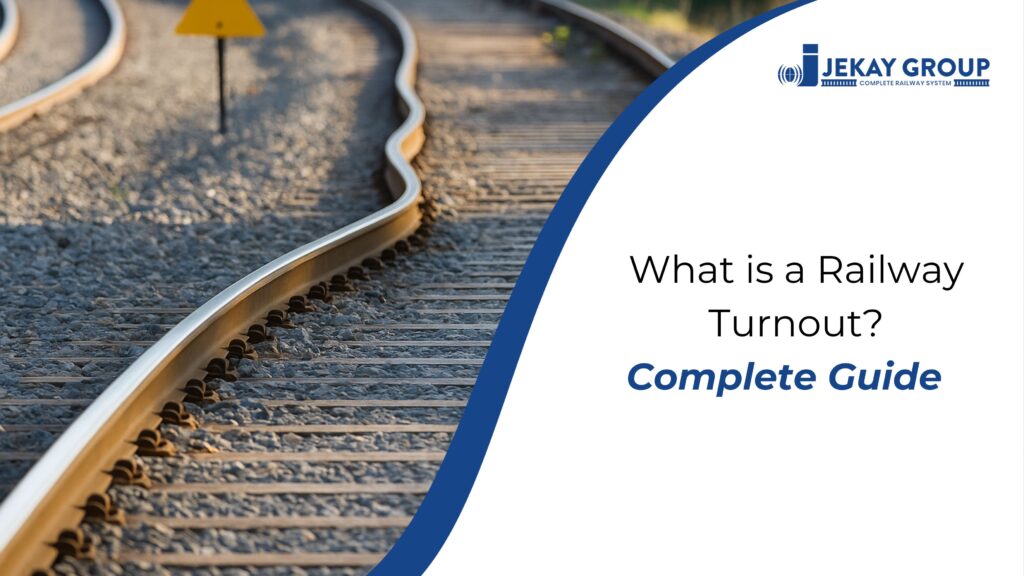
Introduction Most track infrastructure buyers understand rails and sleepers but treat turnouts as a procurement afterthought—specifying them the same way they’d order a standard component. This is a structural mistake. Turnouts experience 3-5 times higher dynamic stress than adjacent straight track, concentrate multiple failure modes into a short assembly, and determine route capacity in ways […]
Turnout Configuration Guide: Concrete vs Timber Sleepers
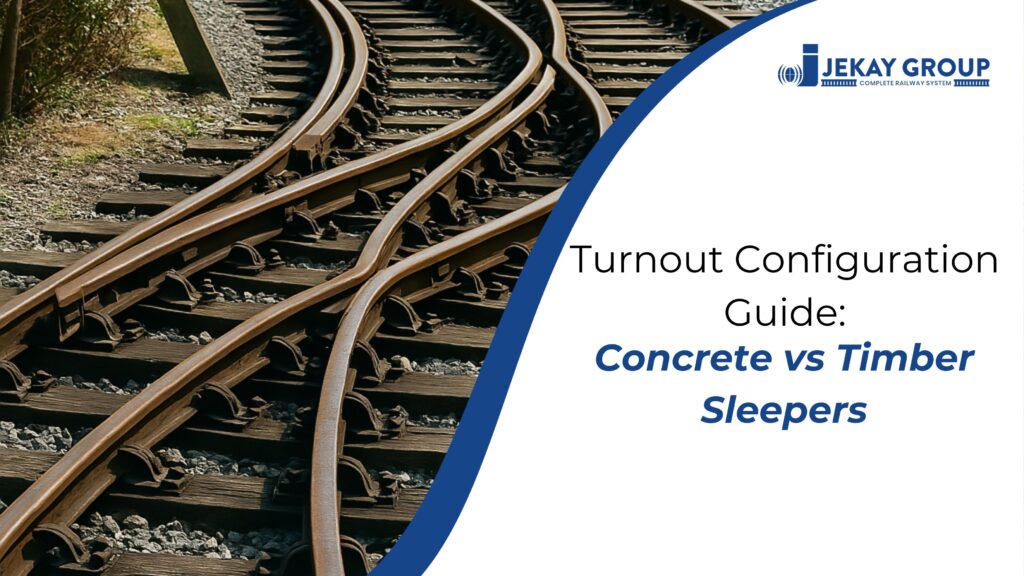
Introduction Turnout sleeper selection is one of the most consequential decisions in track design, yet many procurement teams treat it as a cost line rather than an engineering choice. The wrong sleeper material under a turnout doesn’t just add maintenance work—it amplifies dynamic forces at the most stressed point in any track structure: the crossing. […]
High-Speed Turnouts: Fastening Strength & Rail Stability
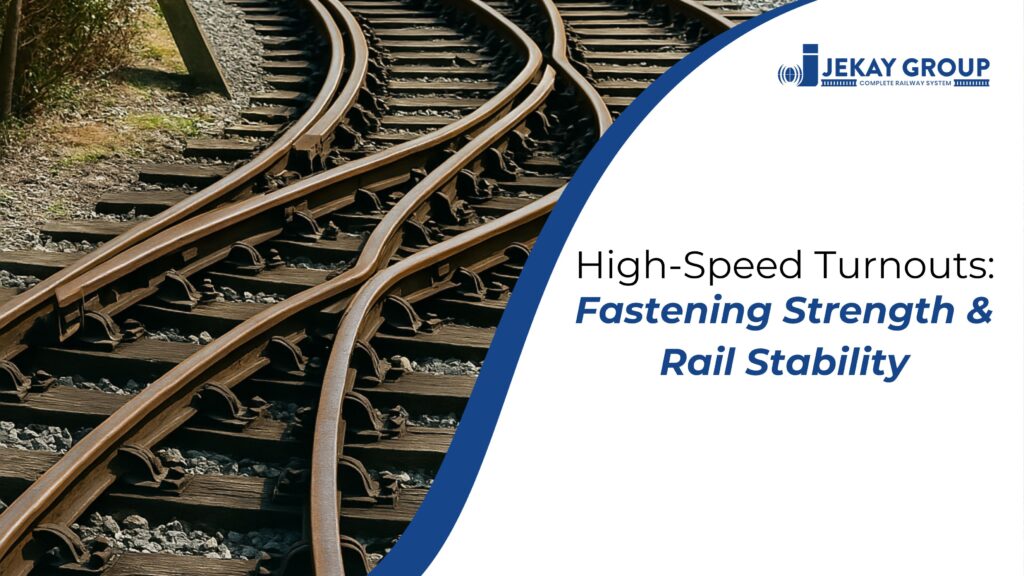
Introduction High-speed turnouts generate wheel impact forces 2.5-3× higher than plain track at equivalent axle loads—yet most fastening failures on high-speed corridors trace back to components specified at mainline standards, not high-speed demands. At 200+ km/h, a turnout fastening system has milliseconds to absorb wheel transitions, resist flange forces, and maintain gauge within ±1mm. Standard […]
Railway Turnout Safety: Fastening, Alignment & Maintenance
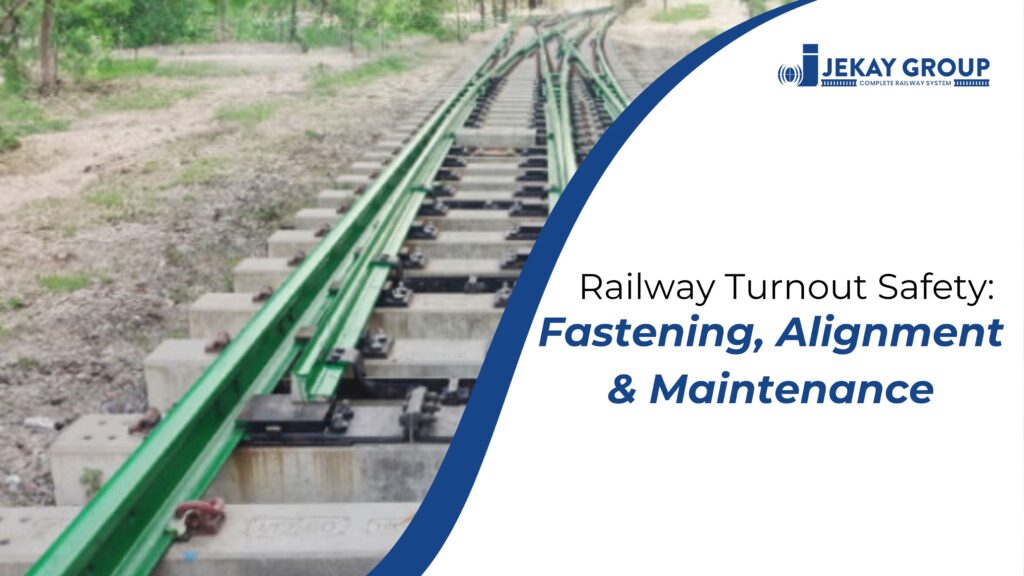
Introduction Turnouts represent less than 5% of total track length on most networks yet account for 20-30% of track-related derailments and safety incidents. The reason isn’t mysterious—turnouts concentrate switch point impacts, frog loads, and geometric complexity into a short section that experiences 3-5 times more stress than adjacent plain track. Fastening failures, geometry deviations, and […]
Railway Turnout Components: Fish Plates & Fastening Guide
Introduction Turnouts concentrate more maintenance hours per kilometer than any other track element—yet most projects specify their fish plates and fastening systems from standard mainline catalogs. That mismatch explains why 60% of unplanned turnout repairs involve joint failures: bent fish plates, cracked heel blocks, and loose fastenings struggling against lateral forces that mainline components weren’t […]
Best Railway Turnouts Supplier in Gujarat
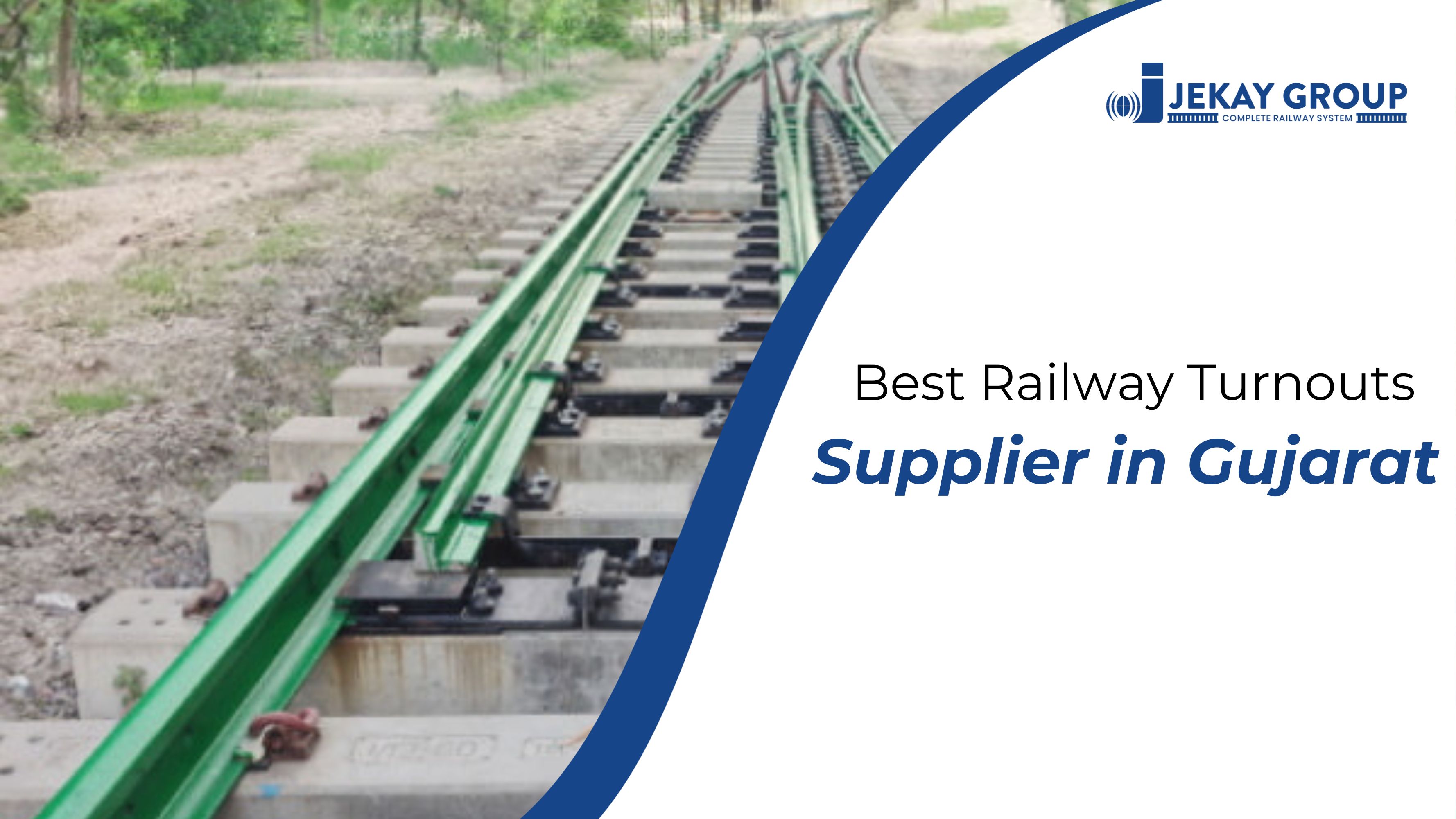
Introduction Finding a turnout supplier in Gujarat is easy—directories list dozens. Finding one that delivers RDSO-compliant geometry, maintains dimensional accuracy across multiple assemblies, and supports you through inspection and installation is harder. Most buyers discover supplier gaps only after turnouts arrive on site with misaligned switch points, incorrect gauge faces, or missing documentation that delays […]
Railway Turnouts Explained: Key Differences from Straight Track
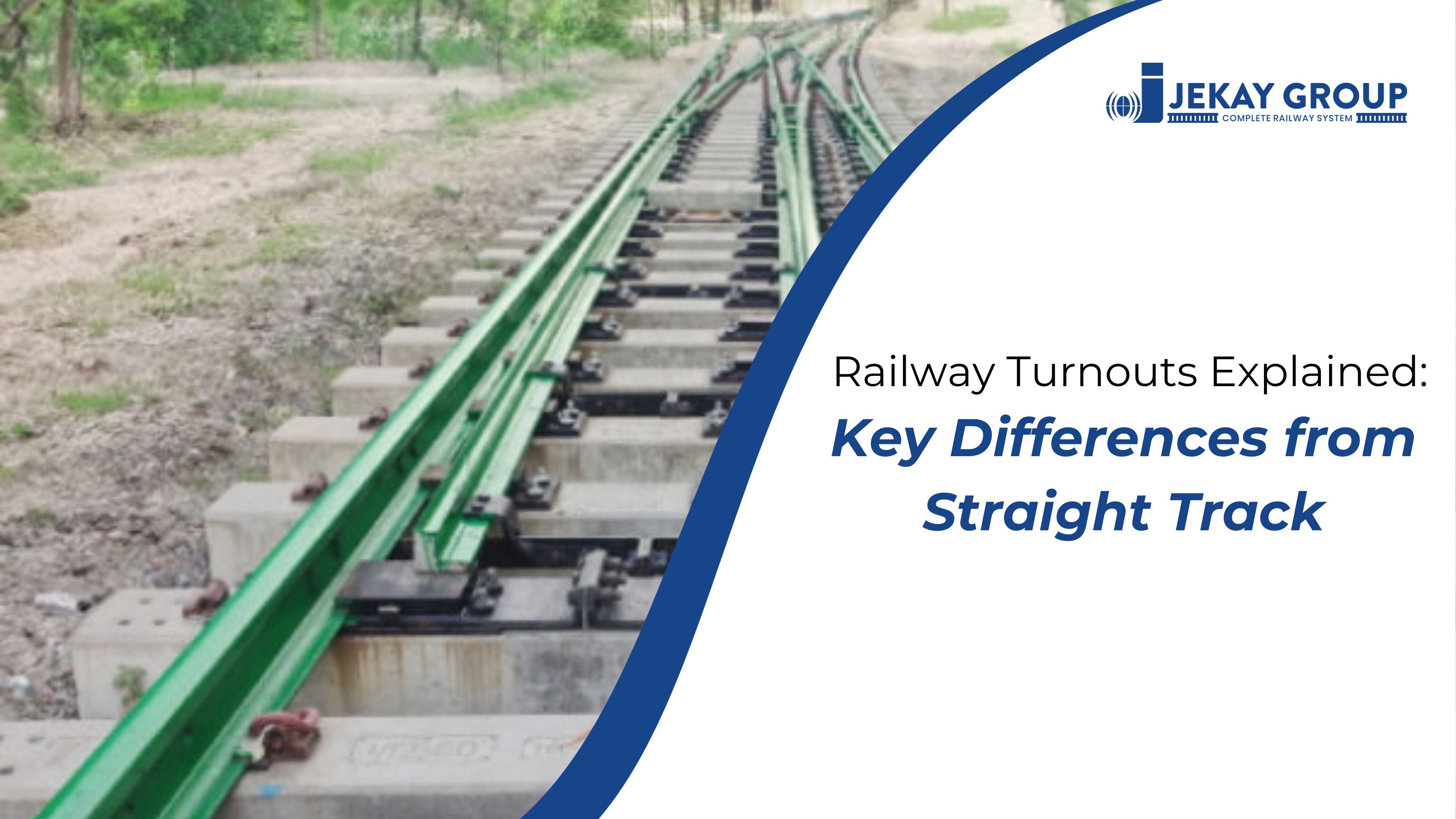
Introduction Railway turnouts experience 3-5 times higher dynamic stresses than straight track, yet many procurement teams specify them using the same standards and maintenance schedules as plain line. This mismatch creates accelerated wear, frequent speed restrictions, and recurring maintenance costs that consume operating budgets. Turnouts enable trains to diverge between routes, but their complex geometry […]
7 Steps of Selecting the Right Turnout System for Different Rail Applications
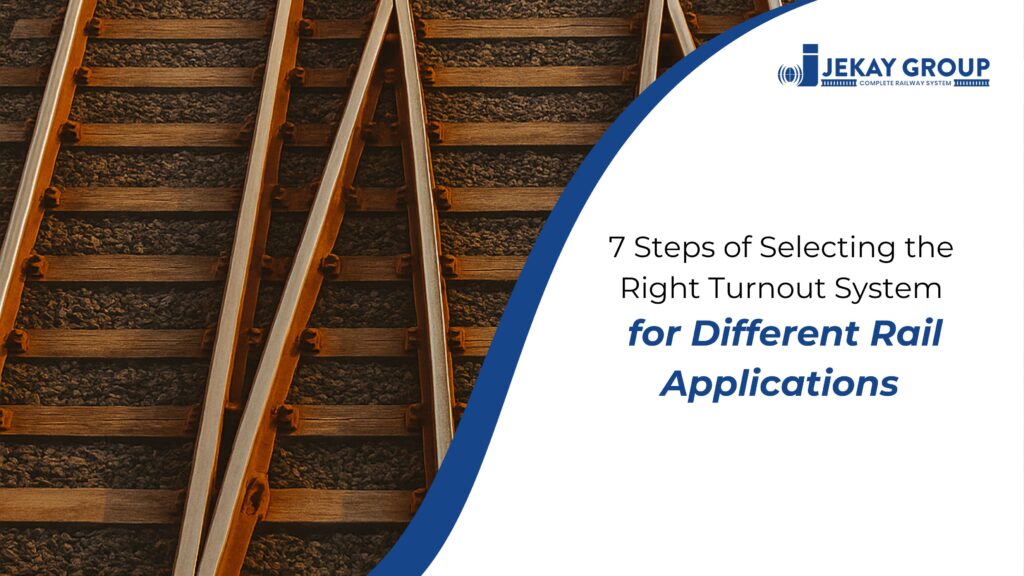
A single malfunctioning turnout can paralyze an entire rail network, costing operators over $10,000 per minute in delays. These complex track junctions—where rails diverge or converge—endure forces up to 300 kN during high-speed train crossings, making them the most vulnerable components in any rail system. “Turnouts are the most critical element in the railroad system, as their […]